
Transport
The opening of the Erewash Canal (1779), the Nutbrook Canal, the Nottingham Canal and the Derby Canal (all opened 1796) enabled coal and iron products to be easily transported to markets in the regional cities and beyond, taking destructive pressure off the roads.
The Midland Railway arrived in 1847 and the Great Northern in the late 1870s, extending the valuable trade links (particularly for coal) and enabling the transport of people as well as goods.
Increased wealth brought in from trade meant an increasing population and this wealth enabled Ilkeston to invest in transport links within the town such as the electric tramway system, opened in 1903 .
Now the core industries have changed, the railway system is much reduced and the canal network has changed almost beyond recognition by most of the population.
Paths and cycleways enable us to trace the routes of many of these features today.
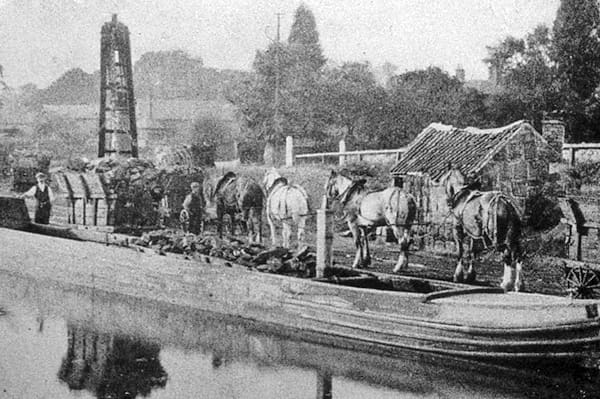
The life of a ‘Boaty’
Article taken from Stanton and Staveley News, February 1967 “Some people call them barges, but this isn't true. Barges, you see, are bigger vessels which will carry between 80 and 100 tons, whereas...
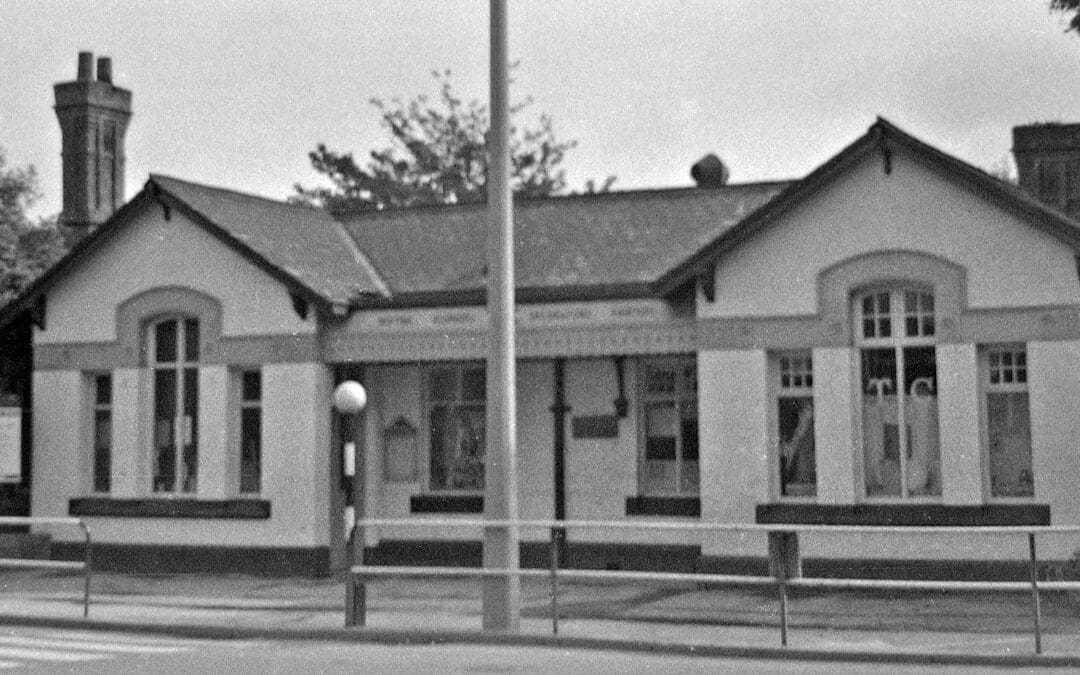
Ilkeston Town Railway Station
Ilkeston Town Station, not long after re-opening in 1879. Situated at the bottom of Bath Street, Ilkeston Town Station stood roughly where the large traffic island now stands. The goods yard and...
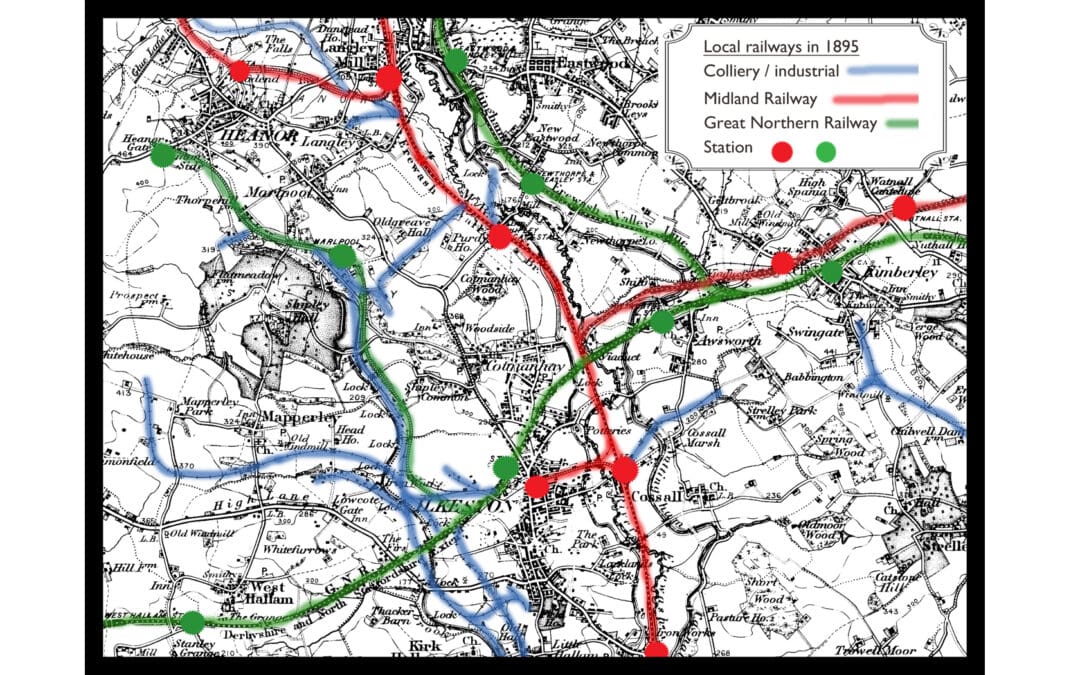
The Railways and Ilkeston
(A longer read) The provision of a railway along the Erewash Valley was first discussed as early as 1824, but for various reasons that railway was never built. Commercial pressures ensured that the...