A Press cutting from local Solicitor Frank Robinson’s scrapbook, 8th January 1914.
Liddle Williamson, High Lane West Hallam pleaded guilty to using indecent language on January 1st. Mr F.G. Robinson represented the defendant. P.C. Mellor stated that at 9.25pm he was on the High Lane between Newdigate Arms and the first farm [Firs Farm?] and he noticed a motorcycle coming in the direction of Ilkeston. Defendant was in the side car and was making use of most filthy language. Witness stopped the cycle and requested the defendant to make use of better language, at the same time requesting his name and address. He replied “Michael Igoe, it’s good enough for thee”. Defendant was under the influence of drink but not drunk. In reply to Mr. Robinson the witness admitted the defendant’s hat blew off. Addressing the magistrates, Mr. Robinson said the defendant had had a little more attention than he might have had from the police during the last few months.
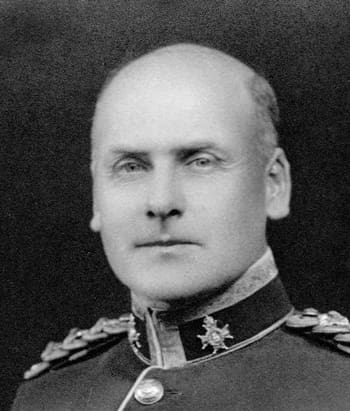
Image : Solicitor Frank Robinson in his WW1 dress uniform
Mr. Robinson admitted a good deal of the defendant’s ordinary conversation was not of the most refined kind, but there was some excuse for uttering an expletive on the occasion of his hat blowing off while riding in the sidecar of a motorcycle at ten o’clock at night when there was nobody about. The defendant was on probation, and it would be a serious matter if he were convicted. If they wanted to put him on the right track and put a stop to this vulgar sort of language Mr. Robinson asked them to let the defendant pay the costs and have another chance. The defendant complained that he could hardly get out of his own house without a policeman being somewhere near. He might be given another chance. On the occasion of a man’s hat blowing off he really thought a bishop could hardly say less than “Dash it all”.
If convicted, the Defendant was liable to have his recognisances [promises of future good conduct in return for leniency] estreated [struck off] for a previous offence. The chairman gave the decision of the bench, which was the defendant agree to pay 10 shillings towards the poor box and costs and also sign an agreement not to go into public houses. Mr. Robinson said that was rather a big thing to ask. “No, Sir” he added “I think that is a degrading condition to anybody. I would not do it myself and I would not advise my client to do it”. The bench then decided that the defendant should pay £1.00 towards the poor box and five shillings costs.